

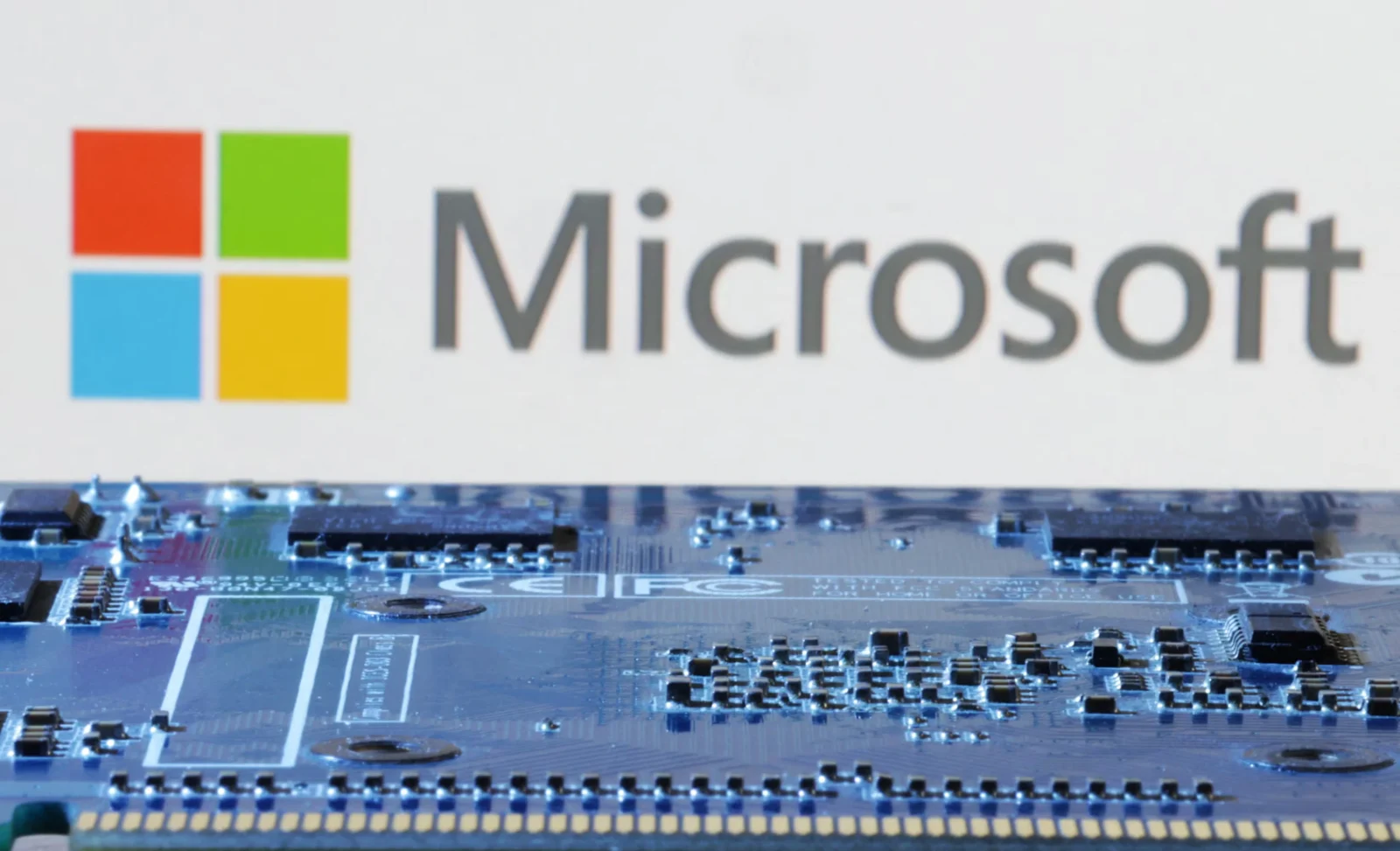
Microsoft has officially introduced Maia 200, a purpose-built AI accelerator designed specifically for inference, the stage where trained models are deployed to answer questions, generate content, and power real-world applications.
Maia 200 is efficiency-oriented, responsive, and production-scale-oriented, unlike chips designed primarily to train large models. The launch comes as AI services move beyond experimentation and into everyday use, increasing the demands on inference in both speed and cost.
The announcement puts Microsoft in a better position to have its own AI infrastructure designed, in addition to other cloud providers that have invested in their custom silicon. The effect may be experienced in the enterprises, developers, and consumers who may depend more on another tool that is powered by AI.
A Chip Built for Inference at Production Scale
Maia 200 is the new generation of Microsoft’s in-house AI accelerator, which is specifically designed to provide inference-scale workloads. To put it simply, inference is the aspect of AI that a user engages with when a chatbot replies, an image generator creates an output, or an AI assistant summarizes an article.
Maia 200 is designed differently compared to chips that are designed to train that demand tremendous computing power to create large models in memory. Instead, the accelerator is designed to run trained models smoothly in production by minimizing latency, controlling power consumption, and delivering reliable results even under heavy request volumes.
The chip is designed to work within Microsoft’s cloud infrastructure, allowing close integration with the company’s software stack and data center operations. This is indicative of a larger plan of creating hardware that is more aligned with the actual delivery of the AI services.
Inference Becomes the Main Performance Challenge
With the recent increase in the adoption of AI, the dominant cost and performance bottleneck has moved to inference. It is costly to train a model, yet it is done periodically. Once a model is live, inference occurs billions or millions of times.
This puts pressure on the cloud providers and enterprises to give AI responses promptly and maintain operating costs in check. Minor efficiency improvements on a chip level can be converted into huge economies of scale on a worldwide scale. Lower latency plays a critical role in real-time applications, including search, productivity tools, and customer support platforms.
Maia 200 arrives at a moment when AI service requirements have moved beyond early adopters and into broader, mainstream use. With the inference-oriented infrastructure becoming a necessity as AI is integrated into normal software, the infrastructure optimized to execute the inference is now a necessity as well.
The move by Microsoft is an indication of an understanding that general-purpose hardware might not be suitable for addressing these needs in the long term.
The Impact Spreads Across the AI Ecosystem
The launch of Maia 200 affects multiple layers of the AI ecosystem, including businesses with large-scale AI requirements and developers building applications for production use. Consumers are also indirectly impacted, as inference efficiency plays a key role in determining the speed, cost, and reliability of AI-powered services.
A. Lower Costs with Deeper Cloud Ties
The enterprises operating AI-based applications are likely to experience an efficient inference infrastructure. Provided cloud-based accelerators such as the Maia 200 also cost less or are more efficient, there will be more predictability in the prices and reliability of AI workloads in the business.
Meanwhile, the further use of cloud-specific hardware may lead to a higher reliance on one provider. In certain organizations, this strengthens the tradeoff between optimization and flexibility of performance.
B. Faster AI With Platform Alignment
Inference performance is among the factors that affect user experience directly to developers who deploy AI models at scale. It can be possible to implement AI in more products and processes by making them viable due to faster response and reduced costs.
The alignment of the ecosystem is also emphasized in Maia 200.Hardware designed specifically for Microsoft’s platforms may benefit developers, though it also raises questions around portability across different cloud environments.
C. Quicker and Smoother AI Experiences
Maia 200 may not be visible to end users directly, but the impact may be extensive. More effective inference might result in faster responses, easier interactions, and wider provision of AI-enhanced features.
Faster document summaries, more responsive assistants, real-time translation, and so on, the infrastructure-level improvements are often manifested in the everyday improved digital experiences.
Custom Silicon Gains Strategic Importance
Maia 200 is a part of an industry trend of an increased shift to vertical integration, in which cloud vendors create their own chip as a way to control performance, cost, and supply more effectively. By enabling the software and hardware to work closely, this can be used with workloads that are both compute and latency-sensitive, such as with AI inference.
Another point that was made in the announcement is the growing competition in AI infrastructure. Although the main competitors like Nvidia remain the leaders with widely used platforms, the big cloud firms are also considering options that can make them less dependent on outside suppliers.This may not necessarily be an immediate shuffle of current vendors. Rather, it indicates a more diversified hardware ecosystem; the custom silicon is complementary to, but not in place of, the general-purpose accelerators. The emphasis is shifting toward infrastructure designed for specific workloads instead of universal, general-purpose solutions.
Inference Moves to the Center of Cloud Strategy
Microsoft plans to roll out Maia 200 gradually across its cloud infrastructure, integrating it into services where it can have the greatest impact on AI inference. The initial deployments will also target internal workloads and targeted enterprise use cases, and then large-scale availability.
The central issues concerning scale and ecosystem support are still questions. The long-term role of Maia 200 will depend on how widely it is adopted, how it performs in real-world use compared with other accelerators, and how easily developers can build on it.
In general, the acquisition can motivate additional cloud vendors and major technology companies to speed up their respective in-house silicon developments, especially since AI inference still lags behind training in real-world applications.
A Shift from Raw Power to Practical Scale
Maia 200 is a realistic reaction to the current application of AI in reality. The inference has become the point of performance and cost as AI transitions to infrastructure.
Instead of pursuing pure computing power, as such, the Microsoft strategy is a manifestation of efficiency, integration, and scale. Ultimately, Maia 200 represents less a single piece of hardware and more a change in how AI infrastructure is designed around real-world deployment.












Leave a comment