
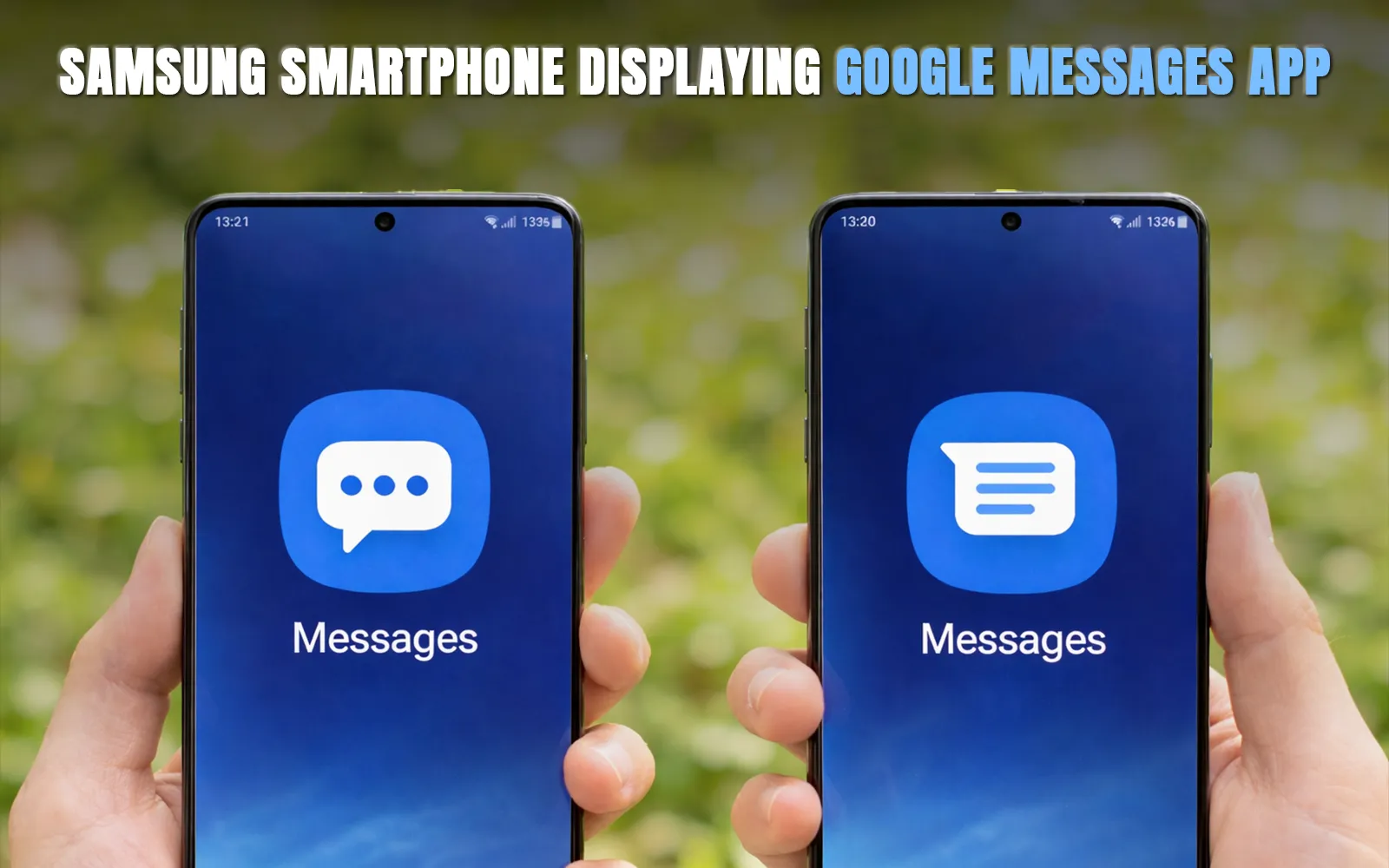
Samsung is preparing to shut down its own messaging app and move users to Google Messages. The transformation will be gradual and completed by July 2026.
To the majority, texting will continue to work as usual. However, their daily app will be different. This move is also a bigger move to ensure that messaging is consistent across Android devices.
While the switch is simple for newer phones, some older devices may not support all features. The system will also have to become more unified, and businesses and developers will have to adapt.
A Gradual Shift Away From Samsung Messages
Samsung didn’t make this decision overnight. This change has been occurring behind the scenes.
Most Galaxy phones over recent years have begun to include Google Messages pre-installed. It even became the default messaging app in a number of markets.
Now, Samsung has confirmed that its own Messages app will be discontinued by July 2026.
To make the transition process easier, users will start getting prompts within the app. These messages will describe what is changing and lead the users through the transition.
For those who prefer to do it themselves, the process is simple:
Steps to switch to Google Messages:
- Open the Google Messages app.
- Set it as your main messaging app when prompted.
- Allow access to contacts and messages.
- Wait for your chats to sync automatically.
On devices running Android 12 and Android 13, the app may also appear in the home screen dock after setup. This makes it easier to access right away.
Samsung has also made it clear that newer devices, including the Galaxy S26 lineup, will not support Samsung Messages at all.
The Real Reason Behind Samsung’s Messaging Move
This isn’t just about removing an app. It’s about simplifying how messaging works on Android.
For a long time, Android users had different messaging apps depending on the phone brand. That often meant different features and uneven experiences.
By moving to Google Messages, Samsung is helping bring everything under one system.
A big part of this change is RCS, or Rich Communication Services. It’s designed to replace traditional SMS with a more modern experience.
With RCS, users can:
- See when messages are read.
- Know when someone is typing.
- Send better quality photos and videos.
- Have smoother group chats
That said, not every device will get the full experience.
Phones released before 2022 may face some limits. In some cases, RCS features may not work fully due to software or network support. This change also means Samsung users will rely more on Google’s ecosystem for messaging going forward.
The Reach of This Change Across Users
This will impact all users, businesses that depend on messaging, and developers of communication tools. Although the switch is straightforward to the majority, there will be little variation in the functioning of messaging to each group.
A. Impact on Everyday Users
For most users, the switch will feel straightforward. Messages and contacts will move over without much effort.
Still, there are a few things people may notice:
- A different look and layout
- Some Samsung-specific features are no longer available.
- Limited support on older devices
One important detail is that emergency messaging will still work separately. This ensures users can send urgent messages even after the change.
B. Adjustments Across Businesses
Businesses that use messaging to reach customers may see new opportunities.
- RCS allows more interactive messages
- Better delivery tracking
- Support for images, links, and richer content
At the same time, businesses will need to support both SMS and RCS during the transition period.
C. Updates Required for Developers
For developers, things become a bit more straightforward.
- Fewer systems to manage
- More consistent tools through Google
- Easier integration of messaging features
However, apps that relied on Samsung’s messaging system may need updates.
The Road Ahead for the Rollout
The transition will continue in stages over the next two years. Samsung will slowly reduce support for its Messages app before ending it completely in July 2026.
- Updates for Samsung Messages will become less frequent.
- More devices will shift to Google Messages by default.
- Full shutdown will happen in mid-2026
Users will be guided through the messaging app process using simple prompts inside the app.
There are also a few limits to keep in mind:
- Older smartwatches running Tizen OS may not fully support Google Messages.
- Some older phones may lose access to advanced RCS features.
- A few users may need to update apps manually.
Even with these changes, most users are expected to adjust quickly.
A Small Shift With Wider Impact
At first, this may feel like a small shift. You’ll still open an app and send messages like always.
But this move, with Samsung shifting its messaging app to Google Messages, shows a bigger change in direction. Android is becoming more consistent, with fewer overlapping apps and clearer standards.
For users, it means less confusion. For the broader ecosystem, it brings everything a step closer to working the same way across devices.







Leave a comment