

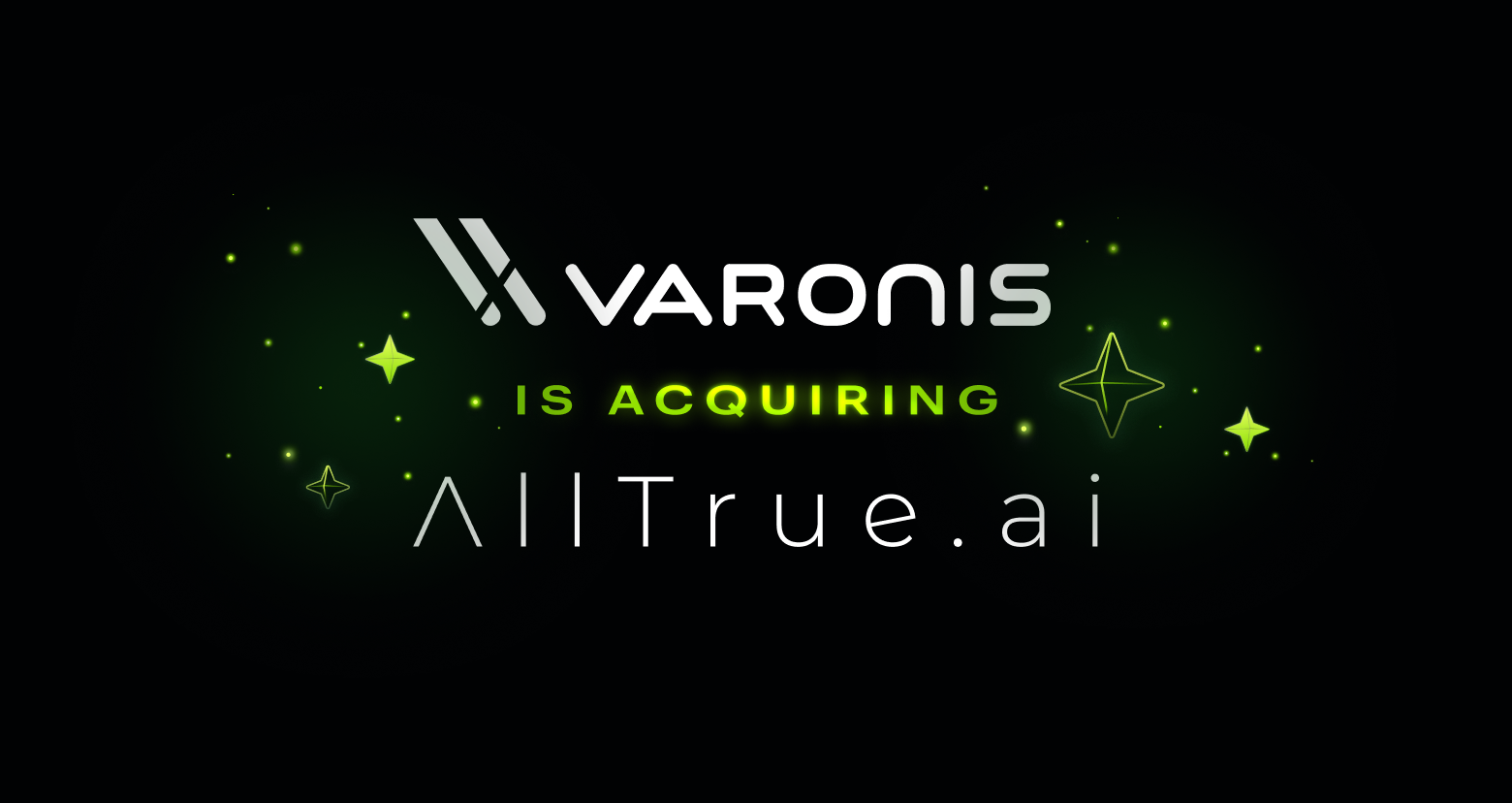
Varonis recently acquired AllTrue.ai, which will empower enterprises in managing and safeguarding artificial intelligence within their organizations. The action is indicative of an increased worry regarding the ways of interaction of AI tools with sensitive business information.
With the high adoption rate of AI in enterprises, security frameworks are failing to keep up with emerging risks posed by AI-driven access and automation. Traditional controls were not designed based on AI behavior.
The acquisition is an indication of a larger shift in enterprise security where AI governance is becoming as important as data protection itself. It is likely to affect enterprises, security teams, and AI developers.
A Strategic Acquisition to Address AI-Driven Data Risk
Varonis, an enterprise with a data security and analytics platform, has entered into an agreement to buy AllTrue.ai, a company that specializes in AI security risks. Although the financial details were not shared, the move is aimed at enhancing Varonis’ platform to better address AI-related security challenges.
Varonis helps organizations identify where sensitive data resides, understand who can access it, and monitor how it is used. Its tools are widely adopted by large enterprises to reduce data exposure and manage insider risk.
AllTrue.ai offers the experience of tracking the ways AI systems can access and analyze enterprise data. Its technology is aimed at detecting dangerous AI behavior, implementing guardrails, and enhancing AI-based data interactions transparency.
After the acquisition, the technology and team of AllTrue.ai will be combined with the Varonis platform. The objective is to ensure that the current data security controls are applied to AI systems just as they are applied to human users.
Why Securing AI Has Become a Business-Critical Priority
Artificial intelligence (AI) applications are rapidly integrated throughout the enterprise business process, including internal knowledge assistants and automatic decision-making systems. These tools may need a significant amount of sensitive data to operate efficiently.
This opens new security threats that have not been covered by traditional tools. The AI systems are able to produce unexpected results, reveal confidential information with prompts, or can be manipulated in other covert ways to bypass the existing controls.
This has led to increasing pressure on organizations to know how AI systems will relate to their data. Visibility, policy enforcement, and accountability are becoming essential components of responsible AI adoption.
This deal reflects a broader industry shift, as security vendors increasingly adapt traditional data protection models to address AI-specific risks. AI security is becoming a fundamental requirement and not an optional add-on.
The Growing Circle Impacted by Enterprise AI Adoption
The impact of this acquisition extends across multiple layers of the enterprise. Organizations adopting AI, the teams responsible for securing data, and the developers building AI-driven tools are all affected as AI governance becomes a shared responsibility rather than a niche concern.
1. Enterprises Rethinking How AI Accesses Sensitive Data
Enterprises deploying AI across internal operations will need stronger oversight of how these tools access and use data. Productivity gains from AI can quickly be undermined by security or compliance failures.
Regulated industries such as healthcare, finance, and government face even higher stakes. Uncontrolled AI access to sensitive data can lead to regulatory violations and reputational damage.
2. Security Teams Take On a Larger Role in AI Governance
Security and IT teams are increasingly responsible for AI governance, even when AI initiatives originate outside their departments. This adds complexity to already stretched security operations.
Teams need tools that offer visibility into AI behavior and allow policies to be enforced consistently across users and systems. Managing AI risk is becoming part of day-to-day security operations.
3. Balancing Faster AI Innovation With Responsible Use
Developers and AI teams are under pressure to innovate quickly while managing growing compliance expectations. Centralized AI security controls can reduce the need for custom, application-specific safeguards.
This approach allows teams to focus on building useful AI tools while relying on broader platforms to handle governance and risk management.
How AI Governance Is Likely to Evolve From Here
In the short term, the customers of Varonis are likely to be able to enjoy the capabilities of AllTrue.ai that will be incorporated into the current platform. This can involve the addition of new features that monitor AI-enhanced data access and impose usage policies.
In the long run, this integration may have an impact on the implementation of AI tools by businesses. The AI systems can be gradually considered as any other user of data, which can be monitored, controlled, and evaluated in terms of risks.
The speed of adoption, customer willingness, and regulatory expectations are subject to open questions. Though the trend is obvious: AI security is entering the realm of enterprise security planning.
Acquisition is also consistent with a larger trend of security vendors making an investment in AI-related capabilities. Security strategies are changing due to the increased integration of AI in business operations.
What This Deal Reveals About the Future of Enterprise Security
The AllTrue.ai acquisition is an example of the way AI is transforming enterprise security priorities. With increased access to sensitive information by AI systems, the previous security models are under attack.
Such a step indicates that AI governance is soon to become a part of data protection plans. Instead of focusing on who accesses data, organizations have to learn how AI systems use the data as well.
The industry is adjusting to a new reality by incorporating AI-specific controls into the existing platforms. The role of AI between people, systems, and data will become more significant to the future of enterprise security.







Leave a comment