

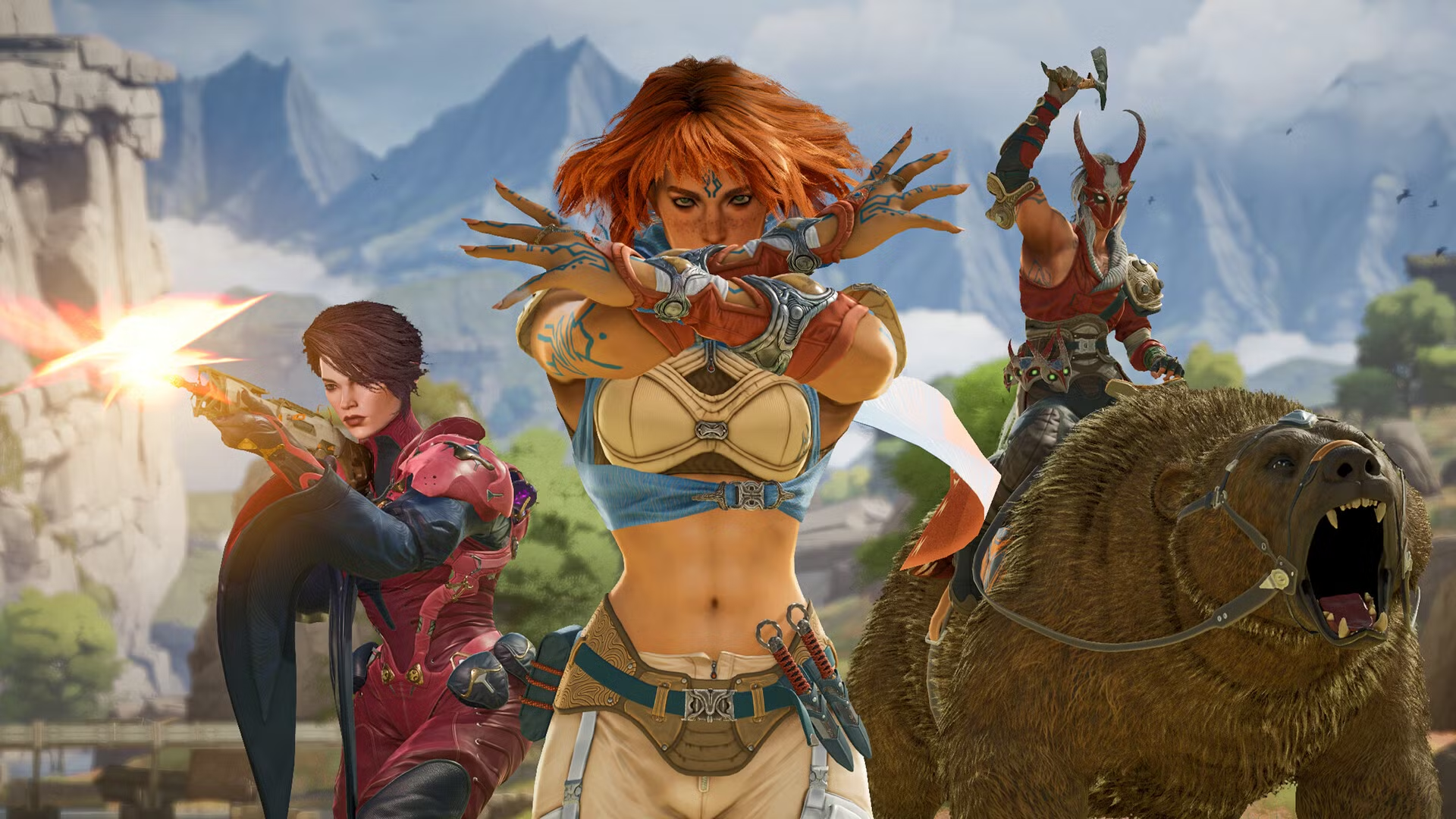
Wildlight Entertainment has confirmed layoffs at the studio behind the free-to-play shooter Highguard. The cuts came just over two weeks after the game’s global launch on January 26, 2026. Several former developers said “most” of the team was affected.
The company says a smaller core group will continue supporting the game. The timing has drawn attention across the industry. It reflects wider financial pressure and shifting expectations around live-service titles.
Two Weeks After Launch: What Changed?
Highguard launched worldwide on January 26, 2026, as a free-to-play hero shooter across PC and current-generation consoles. The game was Wildlight Entertainment’s debut title, built by a team of veteran developers from major shooter franchises.
In early February, reports began circulating that staff had been laid off at the studio. The first signs came from LinkedIn posts by former developers. One senior-level designer wrote that he and “most of the team” had been let go. Similar messages appeared from other staff members, according to industry reporting.
Wildlight later confirmed the layoffs in an official statement shared on X. The studio said:
“Today we made an incredibly difficult decision to part ways with a number of our team members while keeping a core group of developers to continue innovating on and supporting the game.”
The company did not specify how many employees were affected. It also did not clarify how the changes might affect the game’s long-term content roadmap. According to reporting from outlets such as Polygon, IGN, GameSpot, and others, the layoffs followed a mixed early reception and a sharp drop in player numbers after launch.
The game reportedly attracted close to 100,000 concurrent players on Steam at launch. Within weeks, that figure had dropped to a few thousand, alongside mixed user reviews. Despite that decline, the studio had already begun rolling out updates, including new modes and content.
Behind the Restructuring
Layoffs shortly after a launch are unusual, especially for live-service games designed to grow over time. These titles rely on regular updates, seasonal content, and long-term player engagement. That model often requires stable teams to maintain and expand the game.
When layoffs happen within weeks of release, it suggests immediate financial pressure or lower-than-expected performance. It can also signal a shift from growth mode to cost control.
The situation with Wildlight is representative of the larger trend in the global games industry. Several studios have laid off employees or restructured projects in the last two years.
Live-service titles or multiplayer projects that failed to impress have also been the target of some layoffs. Others came as companies adjusted spending after the pandemic-era surge in gaming demand.
Within this environment, studios are encountering increasing development costs, marketing expenses, and competition for player attention. Such pressure may cause fast changes in case a launch fails to give the expected results.
Impact Beyond the Studio
The layoffs extend beyond one studio, touching developers, players, and industry partners alike. Team members face sudden job losses, while the game continues under a smaller core group. Across the industry, the move adds to growing concerns about the stability of live-service projects.
1. Workforce Consequences
For affected staff, the layoffs mean sudden job losses just weeks after the game’s release. Several former developers shared their experiences on LinkedIn, noting that unreleased content had already been planned or built.
These posts helped bring attention to the scale of the cuts. Short-notice layoffs can disrupt careers and create uncertainty for workers across the industry.
2. Wildlight’s New Operating Reality
Wildlight says a core team will remain to support Highguard. The company has not disclosed the size of that team or its revised development plans.
The studio’s next steps will likely focus on maintaining servers, releasing updates, and addressing player feedback.
3. Community Confidence and Continuity
For players, the main concern is continuity. Live-service games depend on regular content drops and technical support.
Any reduction in staff raises questions about update schedules and long-term plans. So far, Wildlight has indicated that development and support will continue, but details remain limited.
4. Signals for Publishers and Investors
Publishers, investors, and competing studios are watching closely. Early layoffs after a major release can influence funding decisions, hiring plans, and project strategies across the industry.
It also reinforces caution around new live-service projects, which carry high costs and uncertain returns.
What Comes Next for Highguard?
Wildlight’s official statement suggests the game will continue under a smaller development team.
In the short term, that likely means:
* Maintaining core gameplay systems
* Delivering planned updates where possible
* Monitoring player numbers and engagement
However, several open questions remain:
* How large is the remaining team?
* Will the original content roadmap change?
* Can the studio sustain long-term live-service support?
Industry observers will be watching update schedules, player activity, and any new announcements from the studio.
A Sign of Wider Industry Realignment
The Wildlight layoffs represent a broader trend in the international game business. Most studios have cut back on staff since 2024 after years of swift expansion during the pandemic. With player spending normalized, companies started to reduce expenses and concentrate on fewer and more predictable projects.
This has particularly impacted live-service games. These games demand big teams, frequent changes, and a consistent number of players in order to be successful.
When the interest declines, studios are quick to manage costs. That may result in layoffs, project cancellations, or changes of strategy.
The case of the Highguard demonstrates the speed of the situation change following a launch. Even games that have good initial interest may be under pressure when the number of players reduces.
A Cautious Industry Moment
The layoffs at Wildlight Entertainment were only a few weeks following the release of the first major game of the company. The studio reports that the game will proceed with a smaller team, although many facts are not clear.
To the broader industry, the event is a sign of continued realignments following the years of fast expansion. Studio is more on the alert, particularly in the case of expensive live-service undertakings.
The performance and update rate of Highguard will be monitored as it proceeds. The result can influence the future development of other developers in the coming years.











Leave a comment