

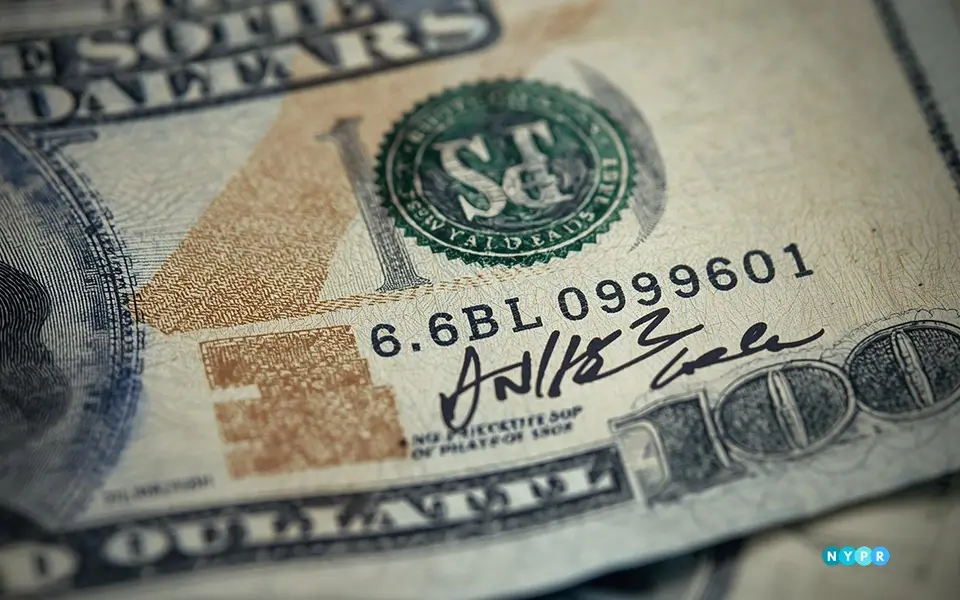
The Treasury of the U.S. has stated that the future paper money will have the signature of Donald J. Trump. It will be the first signature of the current president to appear on the U.S banknotes.
This move is one of a series of events leading up to the 250th anniversary of the nation, the Semiquincentennial. According to officials, it also indicates economic communication, national identity, and continuity in the institutions.
The move impacts the enterprises, customers, and world financial analysts who monitor the indicators that are related to the U.S. dollar. It also creates greater issues regarding symbolism and precedence in currency design.
Inside the Treasury’s Latest Currency Decision
The United States Treasury Department affirmed that future U.S. paper currency would include the signature of President Donald J. Trump, to match the signature of the Treasury Secretary, as part of new design changes in response to the Semiquincentennial celebrations.
Conventionally, the United States banknotes contain the signatures of the Treasury Secretary and the Treasurer of the United States. This adaptation provides a significant break with such a convention.
Authorities positioned the move in the context of honoring 250 years of the formation of the country. The redesign initiative will incorporate minor visual and symbolic changes that will signify that milestone.
Scott Bessent, speaking on the announcement, emphasized the economic dimension of the move.
He said the updated currency reflects “confidence in long-term economic growth, the continued global dominance of the dollar, and a commitment to fiscal stability.”
Brandon Beach highlighted the symbolic angle. He described the inclusion of the president’s signature as part of a broader narrative, calling it a reflection of a “Golden Age” moment tied to national milestones.
While the Department of the Treasury oversees currency design and production, such changes are rare and typically rooted in historical or security-driven updates rather than political symbolism. The announcement underscores how currency, beyond its practical use, often carries layered meaning tied to identity and governance.
Understanding the Broader Significance
It is a historical move, and a rare change in the way U.S. currency is a mirror of the leadership and national achievements. It also promotes economic messaging and informs the world in a subtle way how the dollar is viewed both domestically and internationally.
A. Departing from Established Currency Norms
For decades, U.S. paper currency has followed a consistent format when it comes to signatures.
Introducing a sitting president’s signature marks a clear shift from that precedent. This makes the change historically significant, even if the physical design differences remain subtle.
B. The Dollar’s Role as a Marker of Confidence
Currency is more than a medium of exchange. It reflects institutional credibility and national stability.
Any visible change, especially one tied to leadership, can influence how people perceive that trust for both domestically and internationally.
C. Signaling Stability Through Subtle Changes
The United States government often uses symbolic gestures to reinforce economic narratives. In this case, officials are linking the currency update to themes of resilience, growth, and continuity.
Such messaging plays a role in how markets and institutions interpret long-term policy direction.
D. How Currency Reflects a Nation’s Image
The U.S. dollar remains the world’s primary reserve currency. Even small design changes are closely watched by global financial observers.
Adding a president’s signature introduces a new layer of identity to a widely circulated symbol of economic power. It may not alter the dollar’s function, but it adds context to how the currency represents the country itself.
Groups Most Impacted by the Change
Businesses, consumers, and global financial observers will most noticeably see the change in the form of new notes slowly finding their way into circulation
. Even though the effect is more of a symbol, it attracts the attention of those who are closely monitoring the economic indicators in the United States.
A. Implications for Commercial Operations
For businesses, especially those handling large volumes of cash, the change is operational rather than disruptive. Banks, retailers, and financial institutions will gradually adapt as new notes enter circulation.
Accounting systems and verification processes are unlikely to require major adjustments. However, businesses that operate internationally may field questions from partners unfamiliar with the change.
B. What It Means for Everyday Use
For everyday users, the impact is largely visual. New notes will circulate alongside existing ones, with no change to value or usability.
Consumers may notice the updated signature but are unlikely to experience functional differences. Over time, the transition will feel similar to past currency updates tied to design or security enhancements.
C. How International Markets May Interpret It
Beyond the U.S., there is greater attention to the move. Even slight changes in the U.S. currency policy are commonly discussed by the central banks, investors, and policy analysts.
Although the change is metaphorical, it can still be viewed in the context of more comprehensive debates regarding governance and economic orientation. It is expected that observers will not pay much attention to the design itself, but rather to what it indicates about institutional messaging.
Looking Ahead to the Rollout
The new currency will be introduced gradually, using the normal banking procedures, and existing notes will not be affected.
Meanwhile, the decision can initiate further debates regarding the design norms in the future and whether this process has established a significant precedent.
A. A Phased Introduction into Circulation
The rollout of updated banknotes is expected to happen gradually.
New designs typically enter circulation through standard banking channels, replacing older notes over time.
There is no immediate recall or replacement of existing currency.
This phased approach ensures continuity and avoids disruption in daily transactions.
B. Shaping the Future of Currency Design
The announcement may prompt further discussion about the role of symbolism in currency design.
Historically, changes have centered on security features, anti-counterfeiting measures, or honoring historical figures.
This update introduces a different dimension tied to current leadership.
Future design decisions could revisit how much contemporary influence should shape long-term currency standards.
C. Debating the Long-Term Implications
One key question is whether this move sets a lasting precedent.
- Will future presidents also have their signatures included?
- Or will this remain a one-time change tied specifically to the Semiquincentennial?
The Department of the Treasury has not indicated whether similar updates will follow in future administrations. For now, the decision stands as a distinct moment rather than a defined shift in policy.
A Moment of Change in a Familiar System
Currency often feels fixed and unchanging, yet it evolves quietly over time. This latest update highlights how even small design elements can carry broader meaning.
The inclusion of a sitting president’s signature introduces a new chapter in the visual language of U.S. money. It blends commemoration, policy messaging, and national identity into a single, widely circulated format.
For most people, the change will pass with little notice in daily transactions. But for those observing from a financial or historical perspective, it marks a notable moment in how the United States presents itself through its currency.
As new notes begin to circulate, the focus will remain less on the signature itself and more on what it represents within a larger economic and institutional story.














Leave a comment