

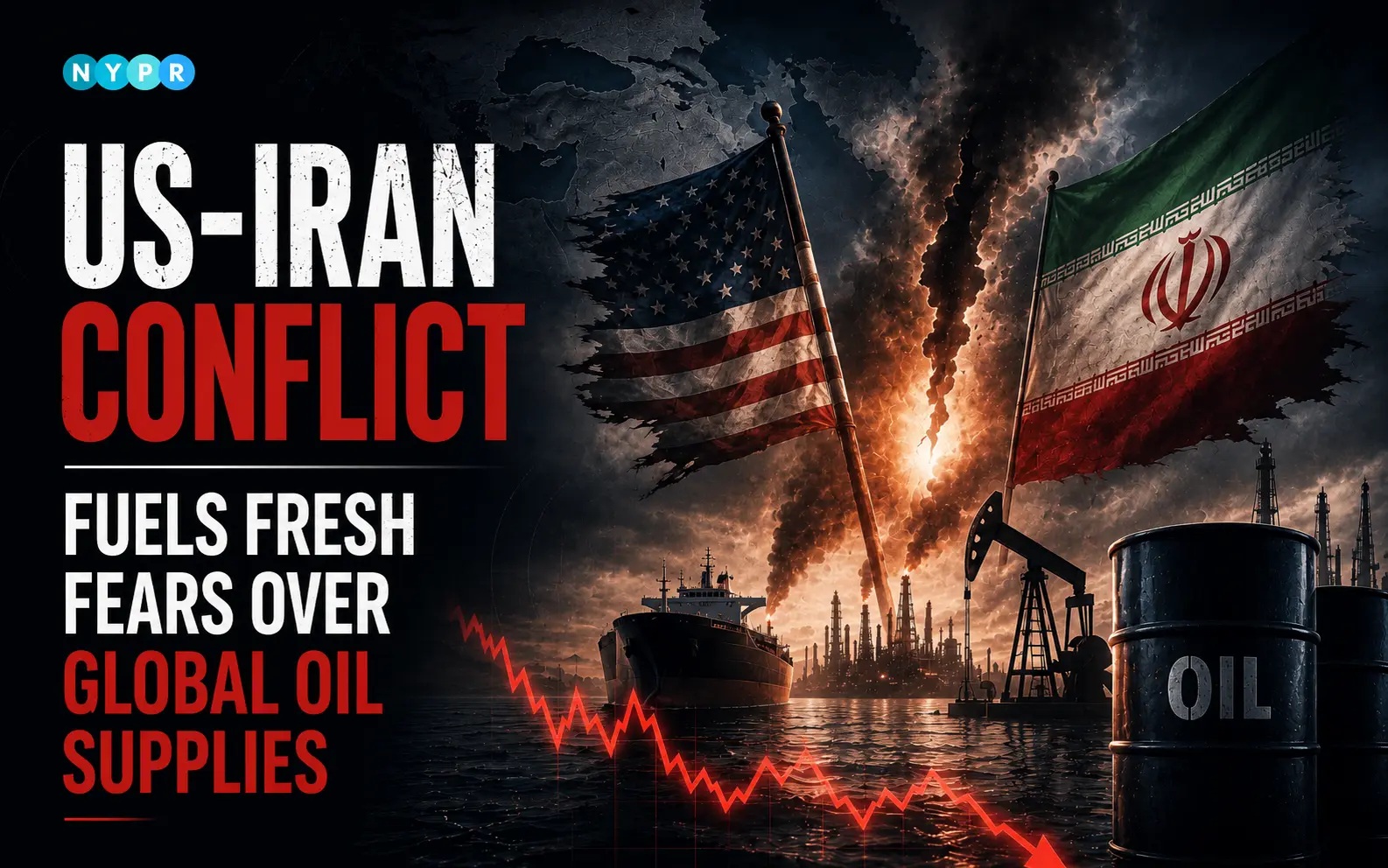
The US-Iran conflict entered a dangerous new phase on Monday (i.e., on 20-7-2026). US strikes on Iran continued for a ninth straight day. At the same time, Tehran claimed that two oil tankers exploded in the Strait of Hormuz. The latest developments have raised fresh concerns about global oil supplies, shipping, and fuel prices.
According to U.S. Central Commander (CENTCOM), the latest strikes targeted Iran’s military capabilities. The U.S. said the operation was meant to reduce threats to commercial ships in the Strait of Hormuz. It did not reveal the exact targets. Meanwhile, Iran’s Tasnim News Agency reported missile strikes in several cities. These included Tabriz, Chabahar, Konarak, Bandar Mahshahr, and Bandar Imam Khomeini.
What we know so far:
- Iran claimed two oil tanker attacks damaged vessels in the Strait of Hormuz.
- Bahrain sounded air raid sirens, while Kuwait said it intercepted hostile drones.
- Oil prices moved higher as traders reacted to growing concerns over shipping.
Iran also expanded its military response. The IRGC said it launched missiles at U.S. military sites in Jordan, Kuwait, and Syria. It claimed the attacks targeted Aqaba Airport, Al-Adiri Camp, Ali Al Salem Air Base, and other American positions.
U.S. Secretary of State Marco Rubio defended the military campaign. He said the United States would continue its strikes if Iran kept targeting commercial ships. He also said Washington remains open to diplomacy if those attacks stop.
The Strait of Hormuz shipping crisis deepened after Iran made a new claim. Tehran said the damaged tankers had been directed to use an unsafe southern route through the waterway. Tehran blamed the U.S. military for the decision. Reuters could not independently verify the claim. Iranian officials also did not identify the ships or report any casualties.
The Strait of Hormuz is one of the world’s busiest oil shipping routes. A large share of global crude oil passes through this narrow waterway every day. Even a small security threat can make traders nervous. That is why oil prices often rise before supplies are actually disrupted.
The latest fighting comes only a month after an interim ceasefire collapsed. Since then, both Washington and Tehran have accused each other of breaking the agreement. The US-Iran conflict has now become a wider struggle over regional security and freedom of navigation in the Gulf.
The conflict has also shaken global energy markets. There are no confirmed disruptions to oil production so far. Even so, traders fear the fighting could disrupt shipping through the Strait of Hormuz. That concern alone has pushed crude oil prices higher.
Why the Strait of Hormuz shipping crisis matters:
- Oil prices are rising. Brent crude climbed more than 5%, while U.S. WTI crude also moved higher as investors reacted to supply concerns.
- Shipping costs could increase. Security risks may raise insurance costs for ships traveling through the Strait of Hormuz.
- Fuel prices may stay high. Countries such as India, Japan, and South Korea depend heavily on imported oil. If shipping disruptions continue, they could face higher fuel prices. Transport costs may also increase.
- Businesses are watching closely as these industry trends continue to evolve. Higher oil prices could raise operating costs across several industries. Airlines, shipping companies, manufacturers, and logistics firms may feel the impact first.
The next few days will be important. Governments, businesses, and investors will be watching closely. They want to know if commercial ships can continue to pass safely through the Strait of Hormuz. They will also monitor whether the U.S. and Iran step up military action or return to diplomatic talks.
The fighting is taking place in the Middle East. But its impact is already spreading around the world. As long as the US-Iran conflict continues, global markets will stay on edge. Investors will closely watch military developments, oil prices, and their potential impact on market growth across the global economy.
Author’s Note:
The US-Iran conflict is changing rapidly. New military actions and diplomatic developments continue to unfold. This report from the New York Press Release brings together the latest verified updates and explains what these developments could mean for global oil markets, regional security, and international trade.














Leave a comment